Water Damage Mitigation
Water damage and freezing is the second most common cause of homeowners insurance claims in the U.S., according to the Insurance Information Institute — and most of it starts with a plumbing failure inside the home, not a storm. Damage gets worse by the hour, so we respond immediately to stop it, then dry your property using professional-grade equipment and daily moisture monitoring until it's verified dry.
What We Respond To
Why Speed Matters
Mold can begin growing within 24–48 hours of water exposure. Calling immediately — day or night — is the single biggest factor in minimizing damage and cost.
Our Process
We identify and help stop the source of water intrusion first.
Standing water is extracted and the extent of moisture intrusion is mapped.
Air movers and dehumidifiers run with daily readings until verified dry.
A complete file is submitted to your insurer or provided for self-pay.
How We Respond
Specialty Equipment
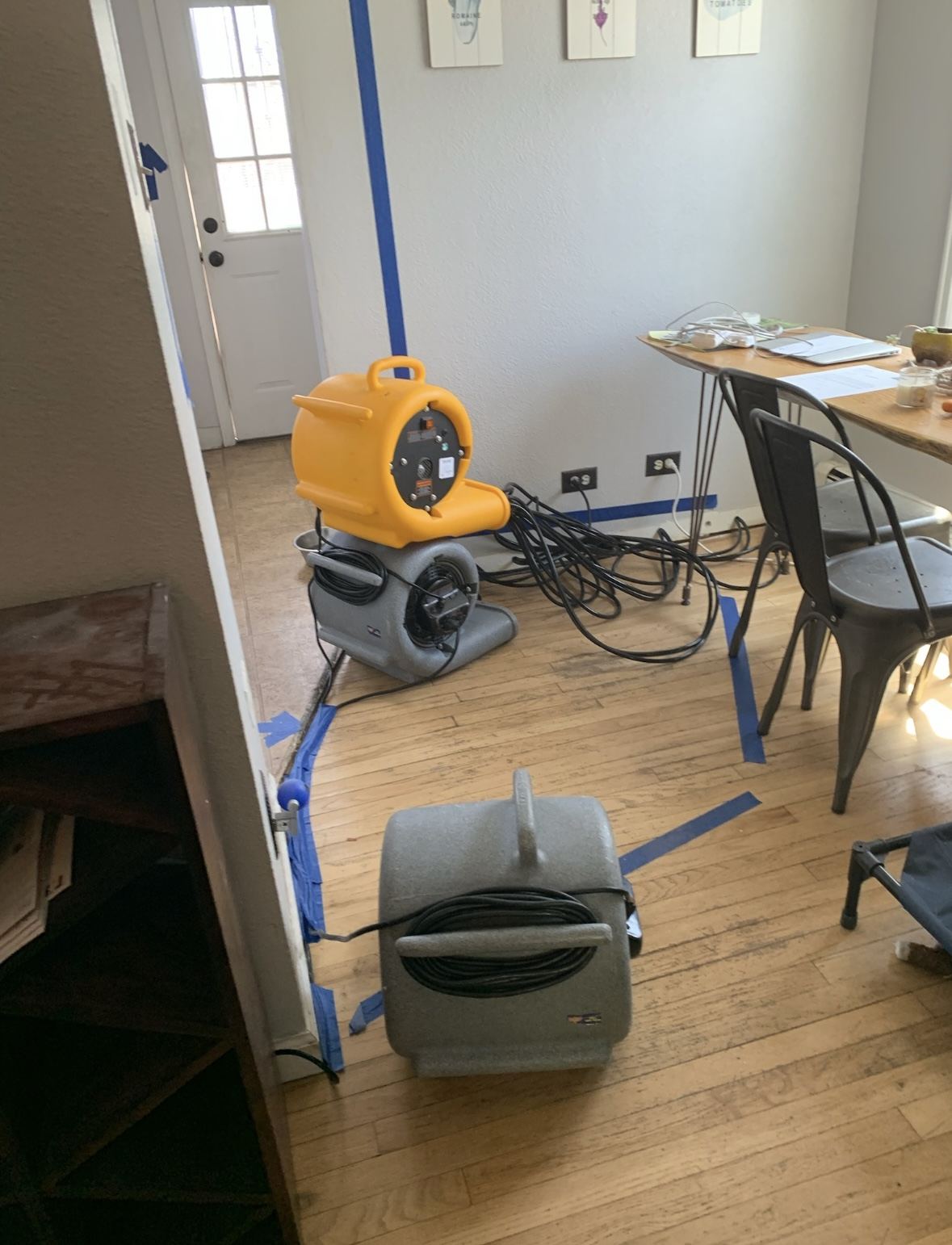
Rather than defaulting to demolition, we use specialty drying equipment to dry structures in place whenever possible — injectidry systems for wall cavities and subfloors, high-velocity air movers, and low-grain-refrigerant dehumidifiers that pull moisture out of the air and structure simultaneously.
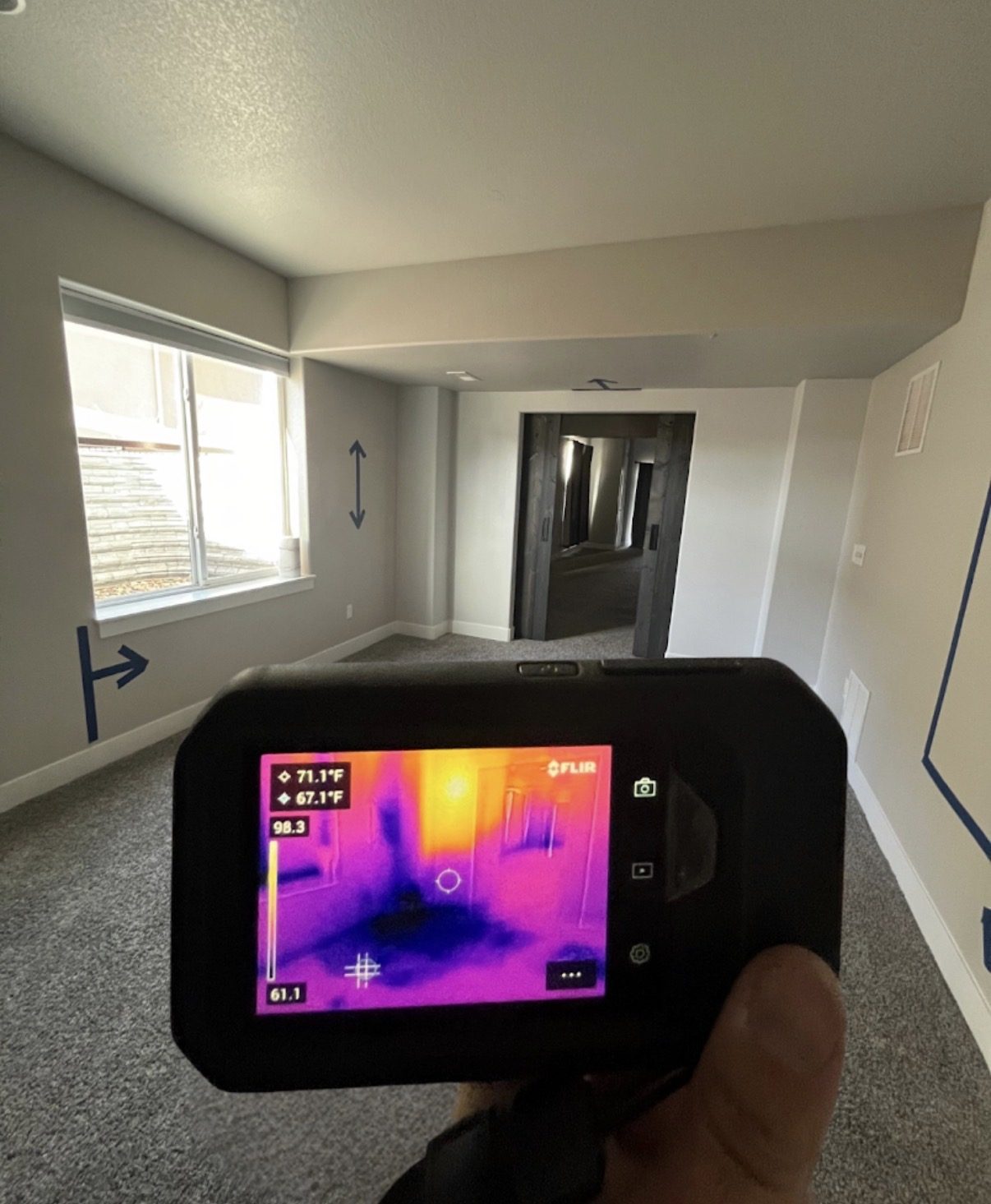
This approach means less demolition, a faster path back to normal, and a lower overall cost of repair — all while meeting IICRC drying standards. Every drying job is monitored daily with moisture meters and thermal imaging until the structure is verified dry, not just guessed at.
This matters most in basements, where incomplete drying is the number one cause of that lingering musty smell homeowners dread. A quick surface dry might look fine — but verified, thorough drying is what actually prevents the hidden mold and odor that comes back months later.
Why It Matters
Traditional restoration often means ripping out drywall, flooring, and cabinetry that could have been saved. Dry-in-place methods preserve more of your property whenever it's structurally safe to do so — saving you time, disruption, and cost.
Advanced Diagnostics & Reporting
We use thermal imaging cameras and moisture meters to locate hidden moisture behind walls, under flooring, and in ceilings — without guesswork and without unnecessary demolition. Every reading is documented and applied against IICRC standards and best practices.
That documentation feeds directly into Cotality MICA reporting software, generating the detailed, insurance-ready reports that expedite claims processing and keep your project moving forward — instead of stalled in paperwork.
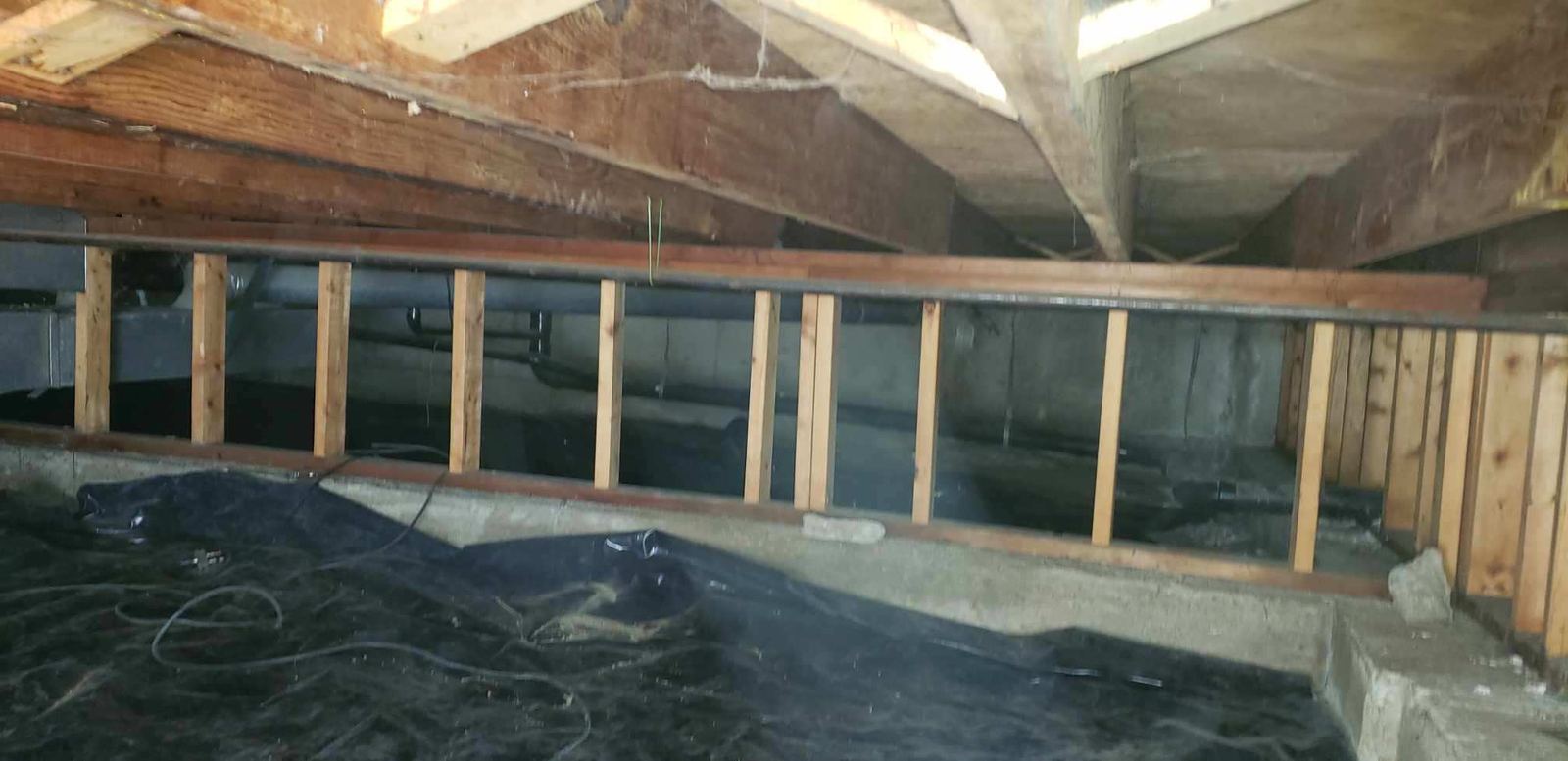
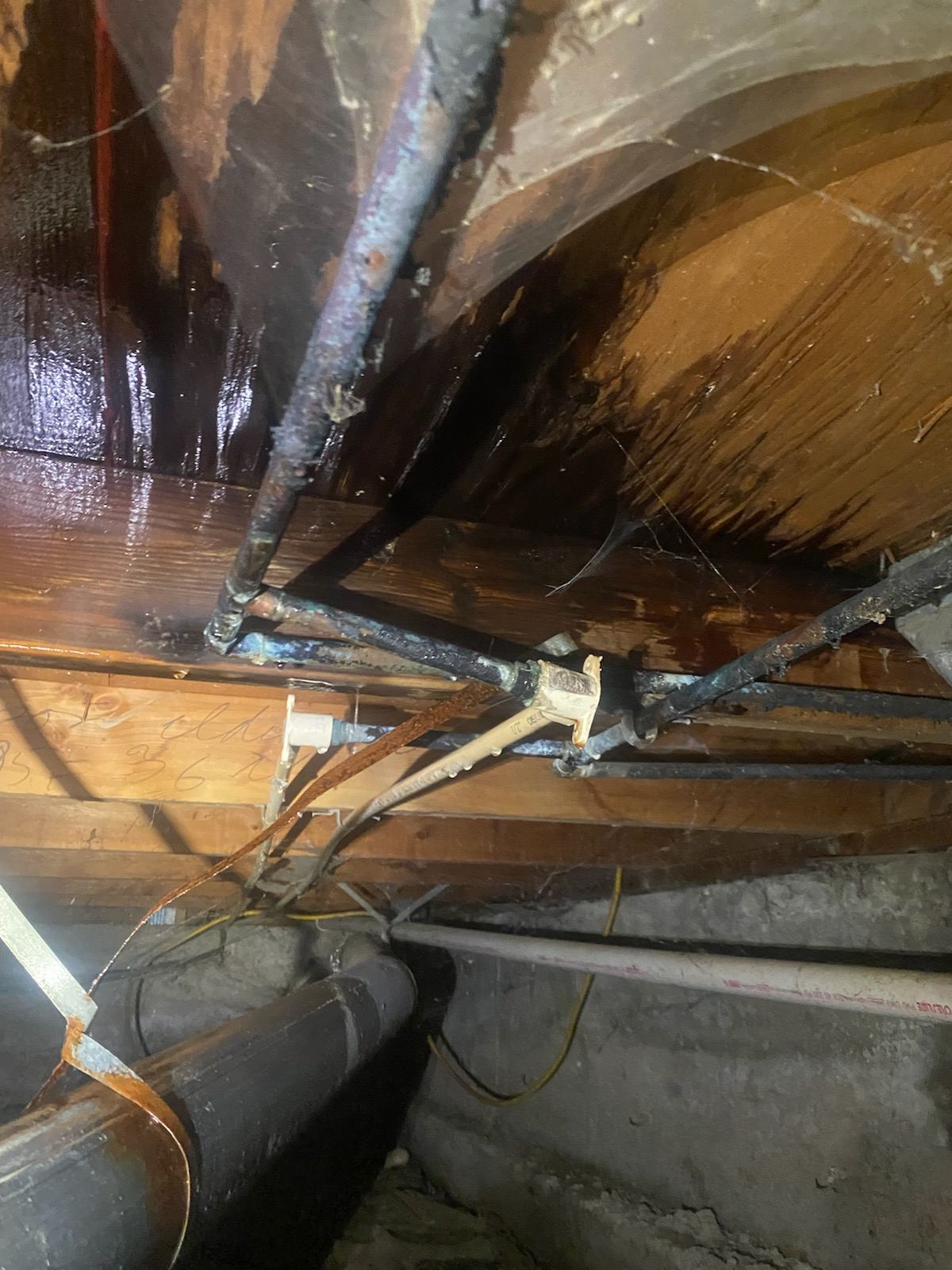
Real Project
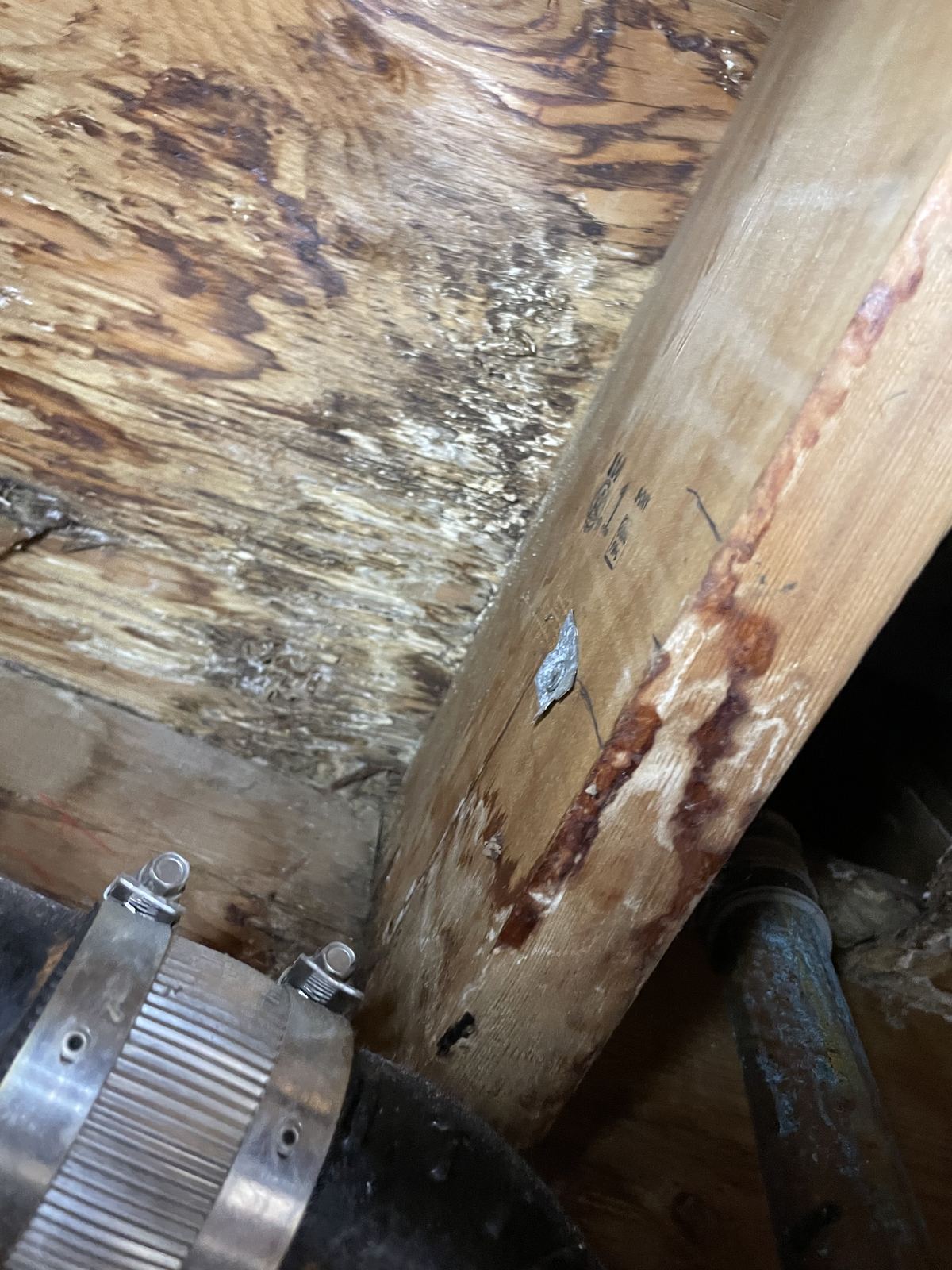
Water damage frequently hides in crawlspaces and wall cavities long before it's visible inside your home. This is exactly what thorough inspection catches.
Call now for immediate emergency response, or submit a service request online and we'll follow up fast.